Home2026-10-09T17:07:50+00:00

We’re With You Every Step of the Way

Supporting your path with data.
Click below to explore each stage of the journey.

Leveraging Clinical Assessments  for Measurement Based Care

Leveraging Clinical Assessments for Measurement-Based Care

MHO equips behavioral health programs with clinically validated assessments designed to capture meaningful, actionable patient data—supporting measurement-based care across levels of treatment. Standardized assessments ensure consistency, comparability, and confidence in clinical decision-making and support Joint Commission standards and measurement-based care requirements.

How Do You Stack Up?

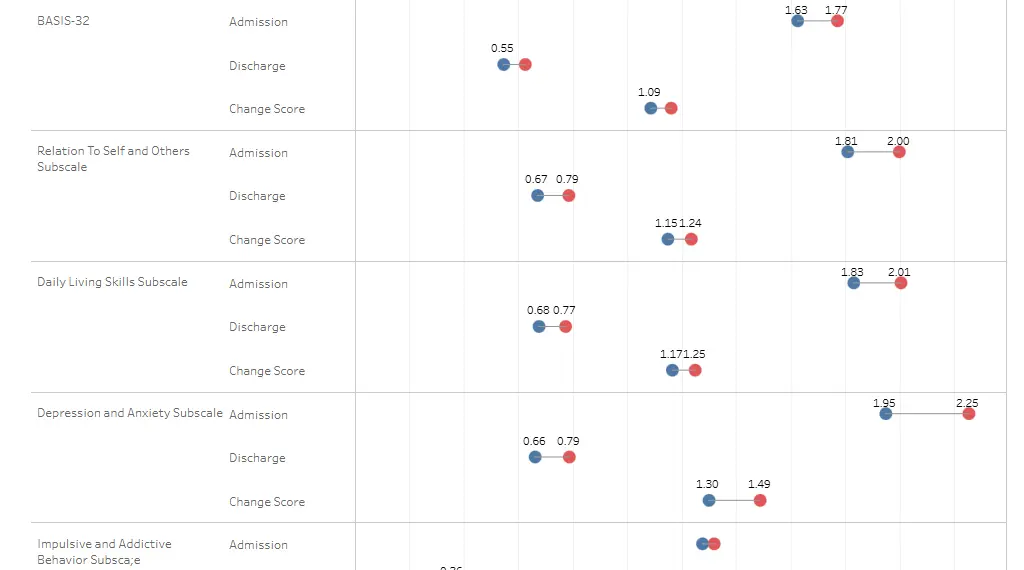
MHO’s nationwide behavioral health dataset allows leaders to objectively compare performance, identify gaps, and prioritize improvement across levels of care.

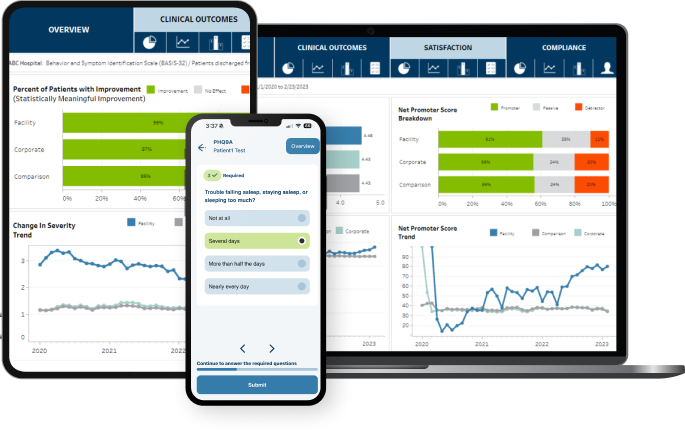
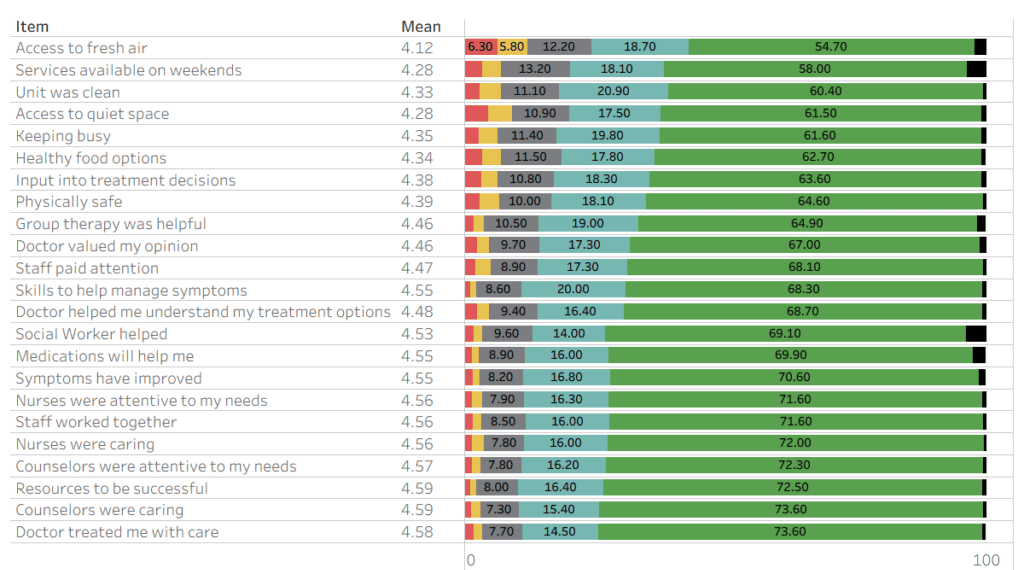
Depth and breadth of analytics drives measurement of your management. Clear, actionable behavioral health reporting— 24/7 access to behavioral health reporting that supports confident decisions.

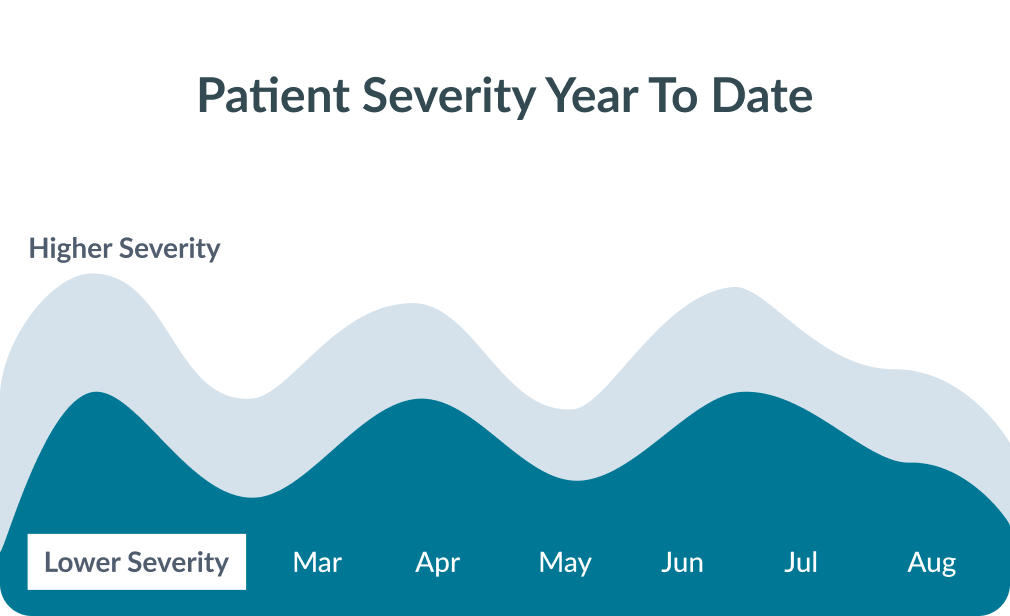
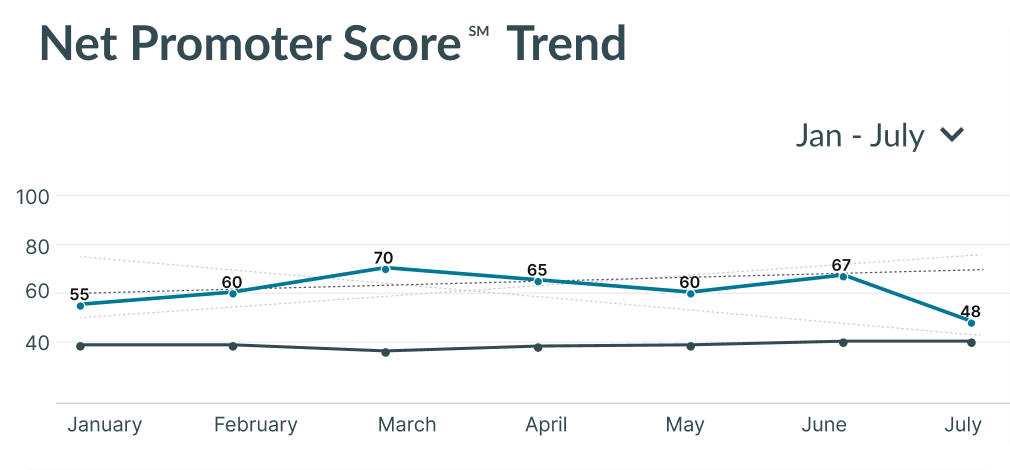
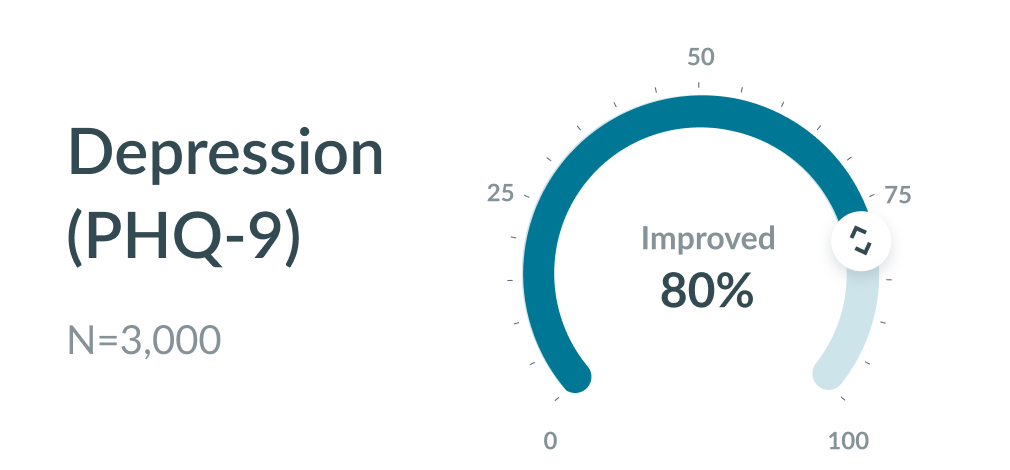
MHO’s standardized reports provide clear visibility into performance, trends, and opportunities for improvement— making it easier for clinical and leadership teams to identify what’s working and where action is needed.

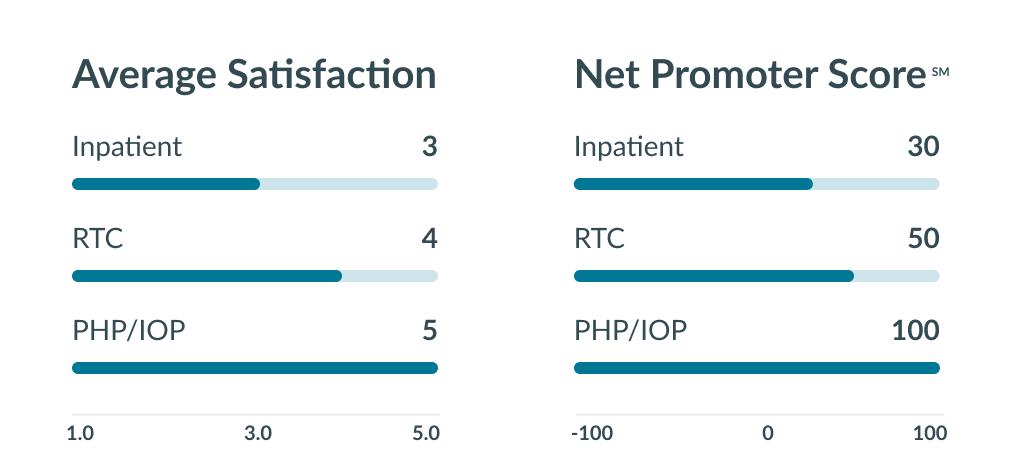
Facility Comparison
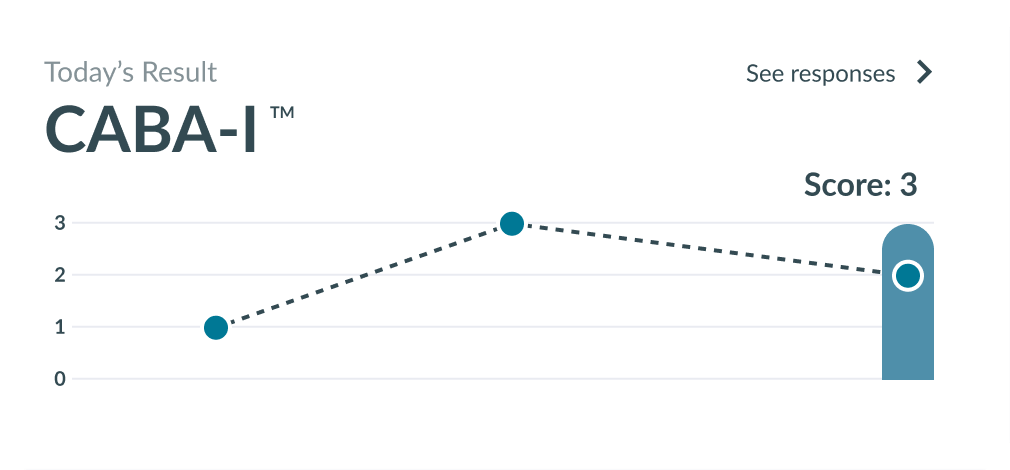
Trend Line
Donut Chart
Example Chart
Satisfaction
Facility Comparison
Trend Line
Donut Chart
Example Chart
Satisfaction

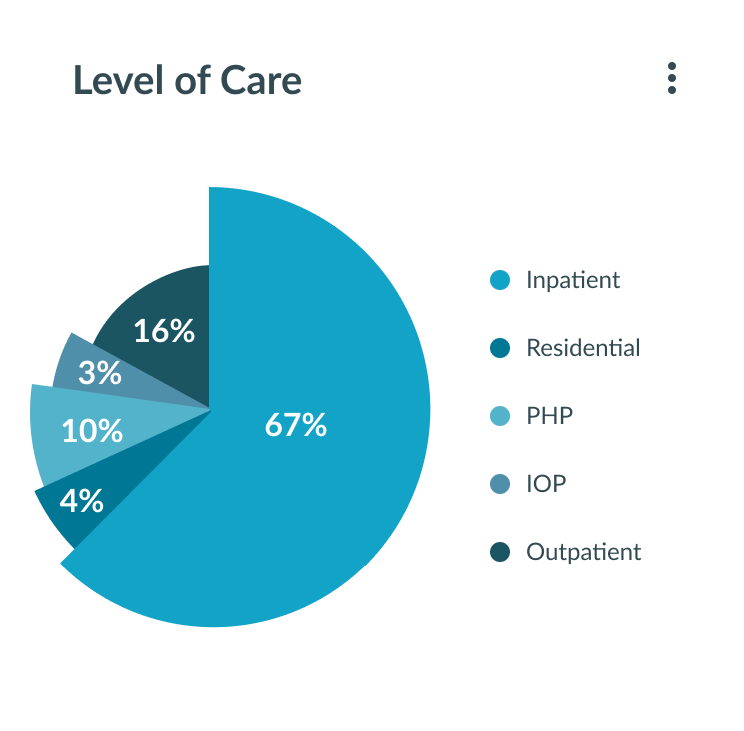
Level of care
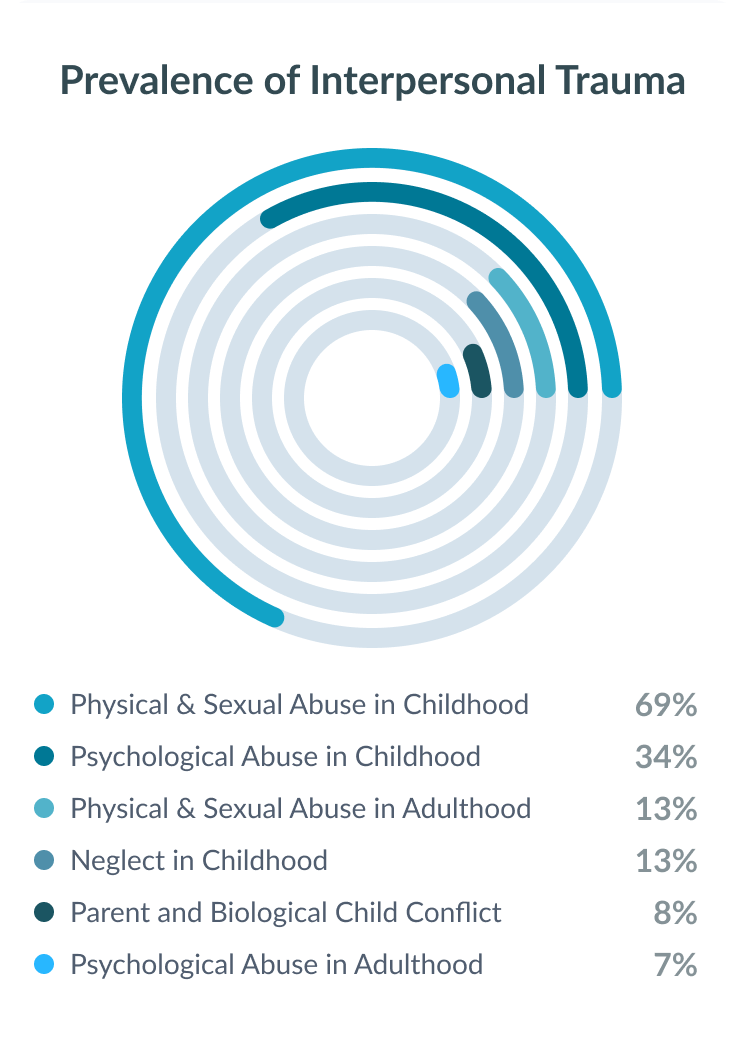
Prevalence of Interpersonal Trauma
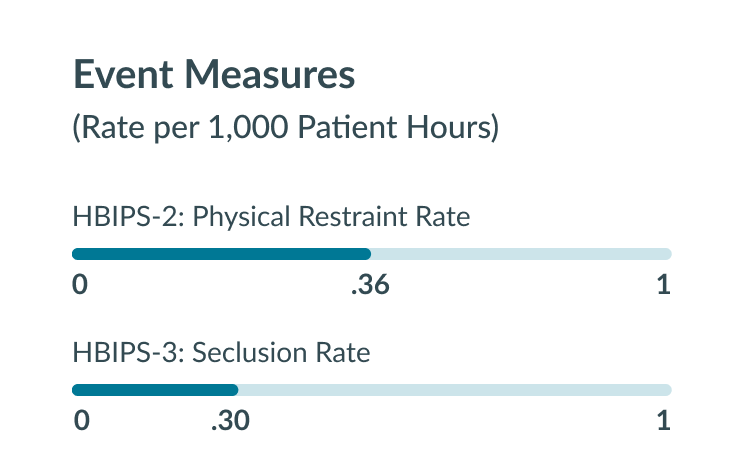
Event Measures Chart
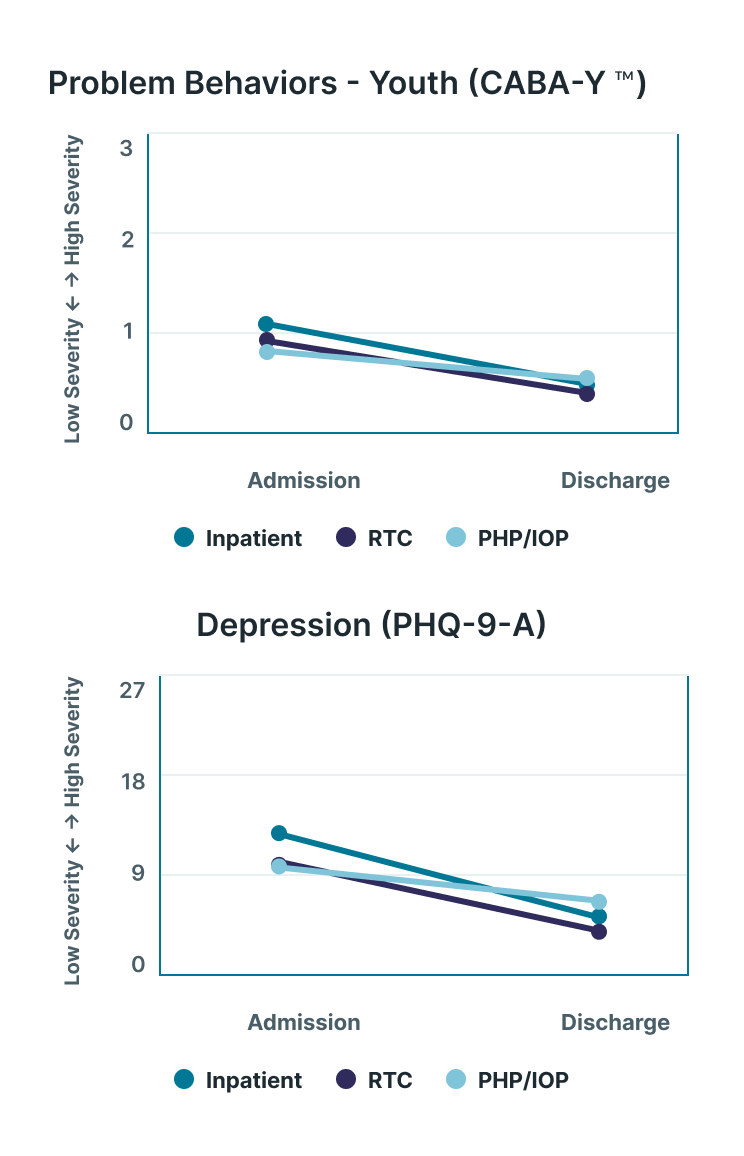
Symptom Reduction
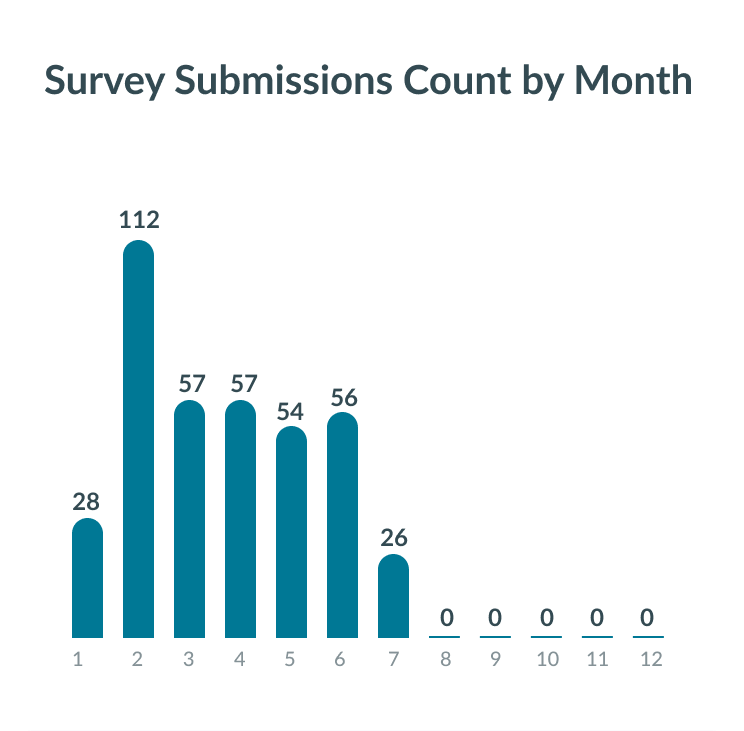
Submission Bar Chart
Level of care
Prevalence of Interpersonal Trauma
Event Measures Chart
Symptom Reduction
Submission Bar Chart

Facility Comparison
Trend Line
Donut Chart
Example Chart
Satisfaction
Facility Comparison
Trend Line
Donut Chart
Example Chart
Satisfaction

Level of care
Prevalence of Interpersonal Trauma
Event Measures Chart
Symptom Reduction
Submission Bar Chart
Level of care
Prevalence of Interpersonal Trauma
Event Measures Chart
Symptom Reduction
Submission Bar Chart

Proven Solutions That Support Confident Decision-Making

30 years of behavioral health expertise allows MHO to deliver proven solutions designed to support quality care, compliance, and confidence.

Tailored Support

Tailored Support

Individualized support provides confidence that regulatory and accreditation data submissions are smooth and accurate.

Learn More Long Arrow Double

Measurement Based Care

Measurement-Based Care

Capture and benchmark real world evidence to support clinical care, quality initiatives, and stakeholder communication using patient reported outcomes and patient experience data.

Learn More Long Arrow Double

Referral Partner Satisfaction

Referral Partner Satisfaction

Partnership surveys are a vital bridge between you and the partners you serve. Unlock a deeper understanding of customer needs to remain responsive and relevant.

Learn More Long Arrow Double

Clinical Audit

Clinical Audit

Comprehensive online platform designed to streamline and enhance the process of evaluating psychiatric unit quality and compliance and preparedness for accreditation or licensure surveys.

Learn More Long Arrow Double

Each solution is designed to work independently-or together—to support better outcomes and stronger performance.

Find the Signals in the Noise

Let MHO help you turn fragmented Behavioral Health data into actionable insight, confident decisions, and clear direction.

Check out proven results in our short case studies:

A facility in Florida sought to identify factors influencing Patient Satisfaction and Net Promoter scores. The facility was below their comparative peer group in both areas. Patient Satisfaction Matrices were developed to identify influential factors. Within the facility common focus areas across programs for performance improvement were identified, including Education, Treatment Planning, Meeting treatment goals, and dignity and respect. Follow-up scores indicate patient satisfaction performance even with comparative peer group and above average Net Promoter scores.

A facility in Colorado reviewed patients referred to them by one referral source category. The facility examined diagnostic patterns including concomitant pain management concerns, and clinical severity. 63% of patients of interest met the cutoff for probable PTSD diagnosis at admission, over 70% of patients met or exceeded the cutoff for moderate depression at admission, and 37% had comorbid pain or chronic pain diagnoses. When compared to general population patients, these results suggest that specialized programming might be beneficial for this treatment population.

An Ohio hospital was concerned about physician practice patterns. MHO demonstrated that the psychiatrists were practicing differently when compared to our national comparison group with regard to primary diagnosis, depression, behavioral problems, and medications prescribed. MHO was able to show that despite patient cognitive functioning no different than the comparison group, the hospital had 2.5 times the rate of Alzheimer’s or other dementia-related primary diagnoses compared to other geriatric programs; patients were less depressed but exhibited increased behavioral problems. The physician’s prescribing patterns differed from the comparison group for both diagnostic groupings. The data was presented to the hospital’s Med Exec committee for review.

A Texas hospital sought to increase continuum of care / step-down referrals from Inpatient to their Partial Hospitalization Program. MHO provided insight into the benefits patients receive from activating the full continuum of care to maintain the gains made during the inpatient stay. MHO demonstrated increased clinical impact (symptom severity reduction) and increased patient satisfaction for those patients who continued care. These data driven insights are provided to patients and families to help them understand the value of the full continuum.

A New Jersey hospital wanted to ensure that patients from different backgrounds were being served equitably. MHO was able to support the hospital’s values-driven mission with data indicating that clinical results and satisfaction were similar across racially and ethnically diverse sub-populations.

While most providers are focused only on communicating patient satisfaction scores, sister Behavioral Health facilities in Arizona captured clinical outcomes measures and put them in a brochure to highlight the treatment efficacy of good clinical programming. They were pleased to demonstrate that approximately 77% of patients exhibited statistically meaningful improvement using patient self-report rating scales, a finding consistent with the literature on meaningful change in Behavioral Health.

A Residential Treatment Center (RTC) in South Carolina requested comparisons across their geographical region and a national comparison group. The treatment populations aligned by age and gender, but demographics such as race and ethnicity differed. The programs length of stay was longer than peers. The program showed varying degrees of clinical performance depending upon clinical metrics reviewed, but overall performed similarly to, or better than, other regional facilities.

A client in Kentucky reviewed their patient reported outcomes and patient satisfaction for a specific referral partner to report on the high-quality care provided. They were able to demonstrate that across all cases 74% of patients exhibited statistically meaningful improvement. While patient satisfaction was generally high, patients affiliated with the referral partner consistently reported higher satisfaction, underscoring the effectiveness of a tailored care approach and reinforcing the value of the partnership to deliver exceptional patient-centered care.

A North Carolina hospital demonstrated a greater percentage of patients placed in restraints compared to State and National benchmarks. Restraint utilization increases patient and staff injury risk and can exacerbate patient concerns. MHO identified patient characteristics to support awareness and encourage preventative de-escalation utilization. MHO recommended pairing restraint utilization reduction efforts with trauma-informed care protocols for a safer, more satisfying care experience.

Behavioral health data is requested by many stakeholders across an organization. MHO brings it together in one trusted source—transforming questions into clear, actionable insight.

Where Behavioral Health Data Science Meets Real-World Impact

MHO Turns Behavioral Health Data into Behavioral Health Insight with research and academic level rigor.
More Questions?

Reach out and schedule time with us to provide a demo or answer your questions!

Measurement-Based Care uses data-driven, patient-centered feedback and outcomes data to help clinicians guide treatment decisions, improve and optimize care. Using clinical judgment alone, providers frequently fail to detect a lack of improvement or a worsening of symptoms. Virtually all randomized controlled trials found that outcomes were significantly improved with feedback to providers of patient-reported symptom severity.

Yes! MHO is happy to work with your EMR vendor to ensure smooth data acquisition, transfer and workflow integrations.

MHO provides treatment programs with clinically useful assessments specific to the needs of your patient population. A simple pre and post assessment process gives patients a voice in their care while helping providers monitor outcomes.

MHO’s client relations team typically provides initial set up within a day or two of a new client acquisition. A client success manager is assigned and will work with you to schedule training, and any technical or data transfer conversations. Typically the client organization and tech infrastructure teams are the governing entity to implementation speed. MHO is ready to move forward when you are!

Go to Top