

Analytics in Action
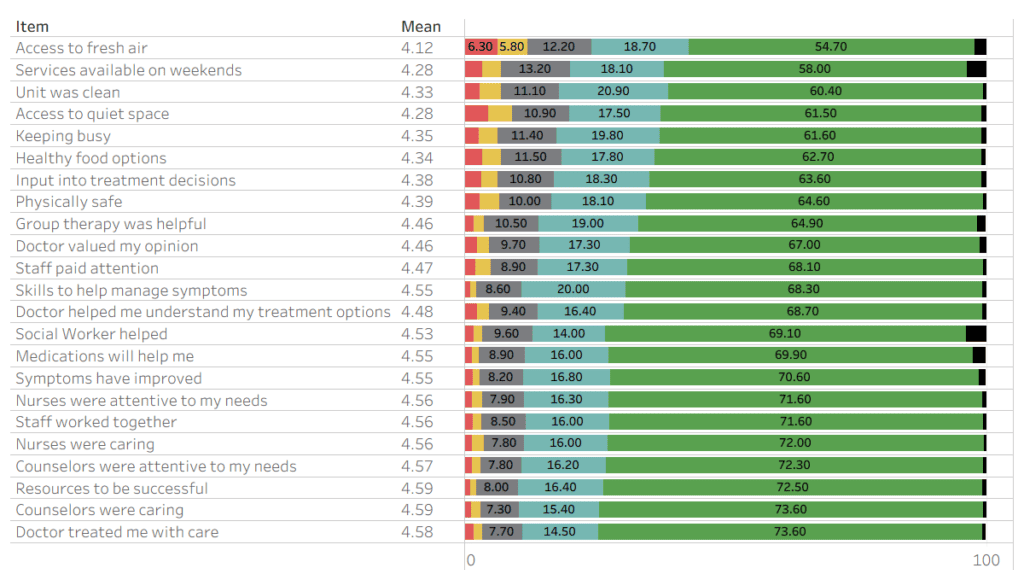
Understanding What the PIX Survey Measures: A Closer Look at Its Domains and Question Items
The Psychiatric Inpatient Experience (PIX) Survey is a standardized patient experience measure adopted by the Centers for Medicare & Medicaid [...]
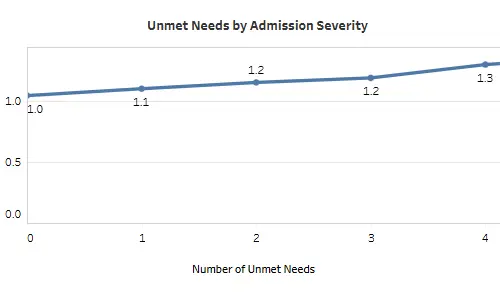
What Do Social Needs Tell Us About Inpatient Admission Severity and Outcomes?
Healthcare outcomes are influenced by far more than diagnoses and treatment alone. Increasingly, research demonstrates the social conditions in which [...]
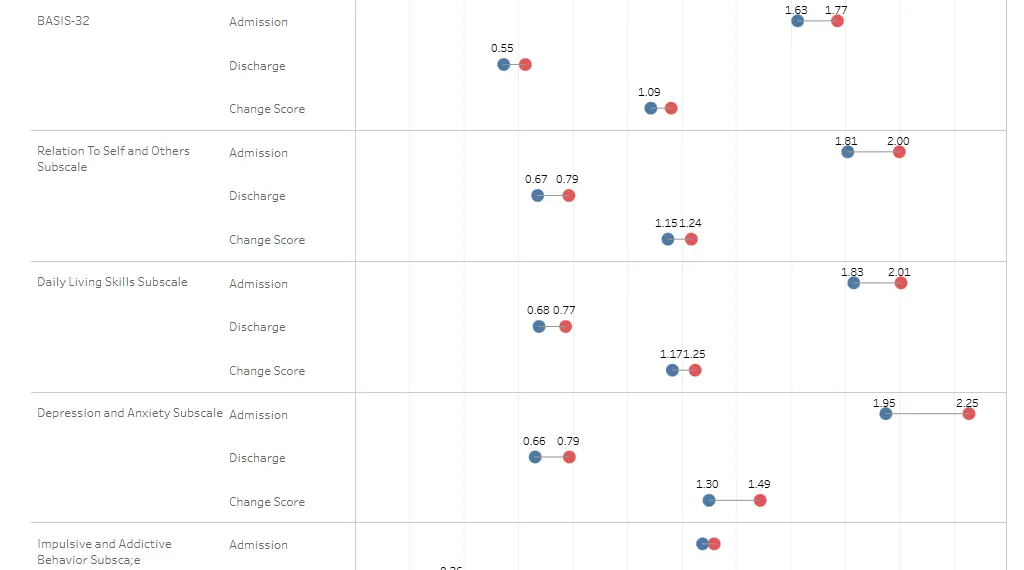
Interpersonal Trauma and Psychiatric Severity
Interpersonal trauma, such as abuse or neglect, has been consistently linked to greater psychiatric severity than non-interpersonal trauma (e.g., accidents). [...]
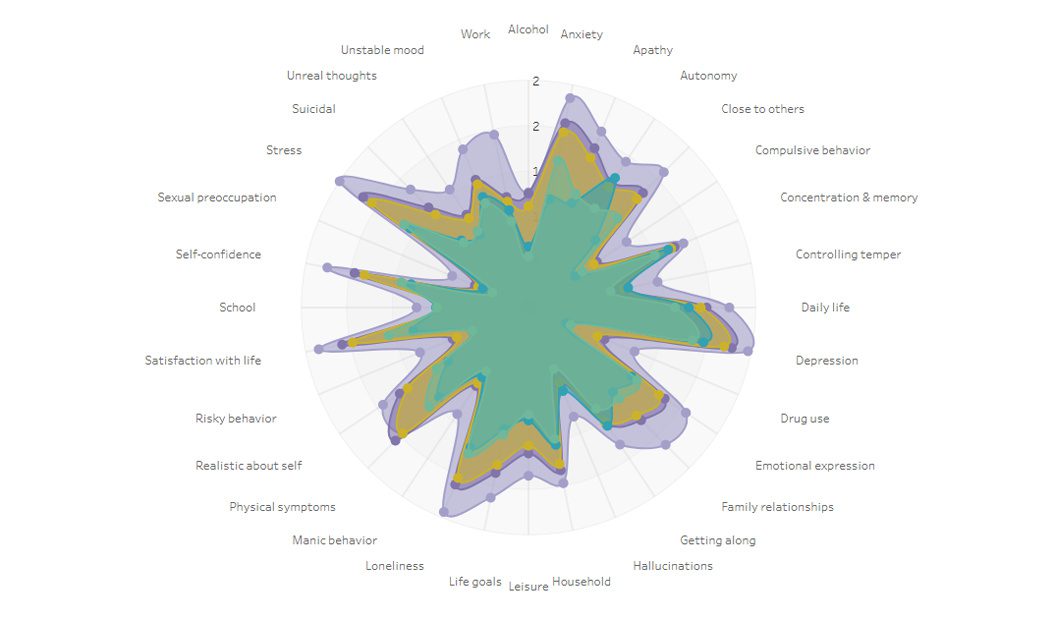
Understanding Psychiatric Presentation in Older Adults: A Lifespan Perspective
Many older adults, 65 and over, receive behavioral health care either in mixed-aged adult programs or specialized geriatric psychiatry programs. [...]
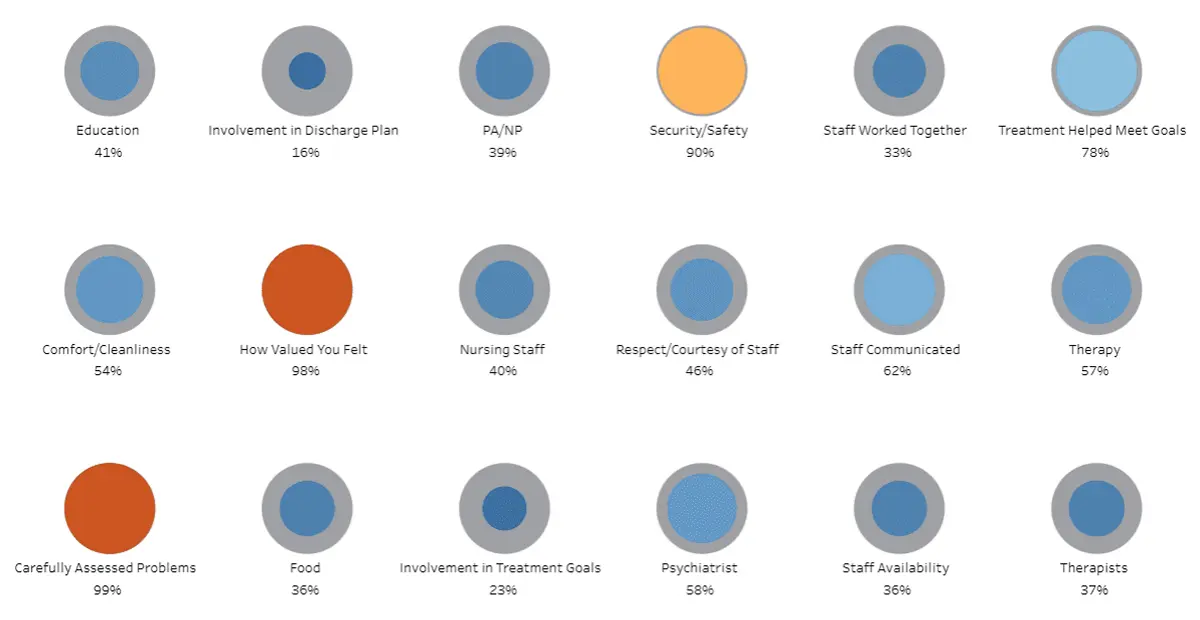
Drivers of Patient Satisfaction: Patterns Over Time
Analysis of three years of inpatient data shows that while core drivers like feeling valued and having problems carefully assessed consistently shape patient satisfaction, reviewing drivers annually is essential to capture evolving priorities and guide targeted improvement efforts.
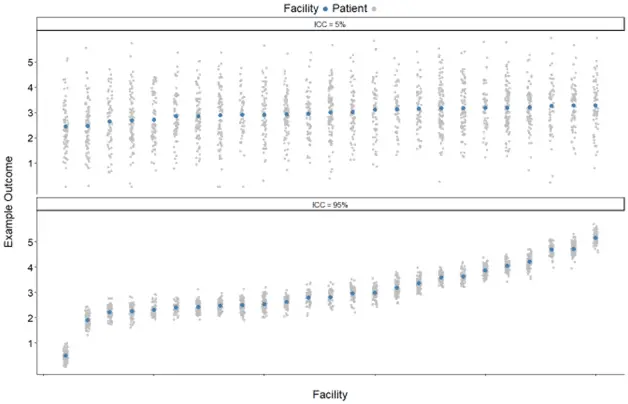
Do Key BH Metrics Differ More by Facility or Patient?
Patient satisfaction and clinical outcomes vary mainly between patients, while seclusion and restraint rates differ mostly across facilities—showing that patient-level analysis best informs care improvement, and facility-level comparison better guides safety and operations.
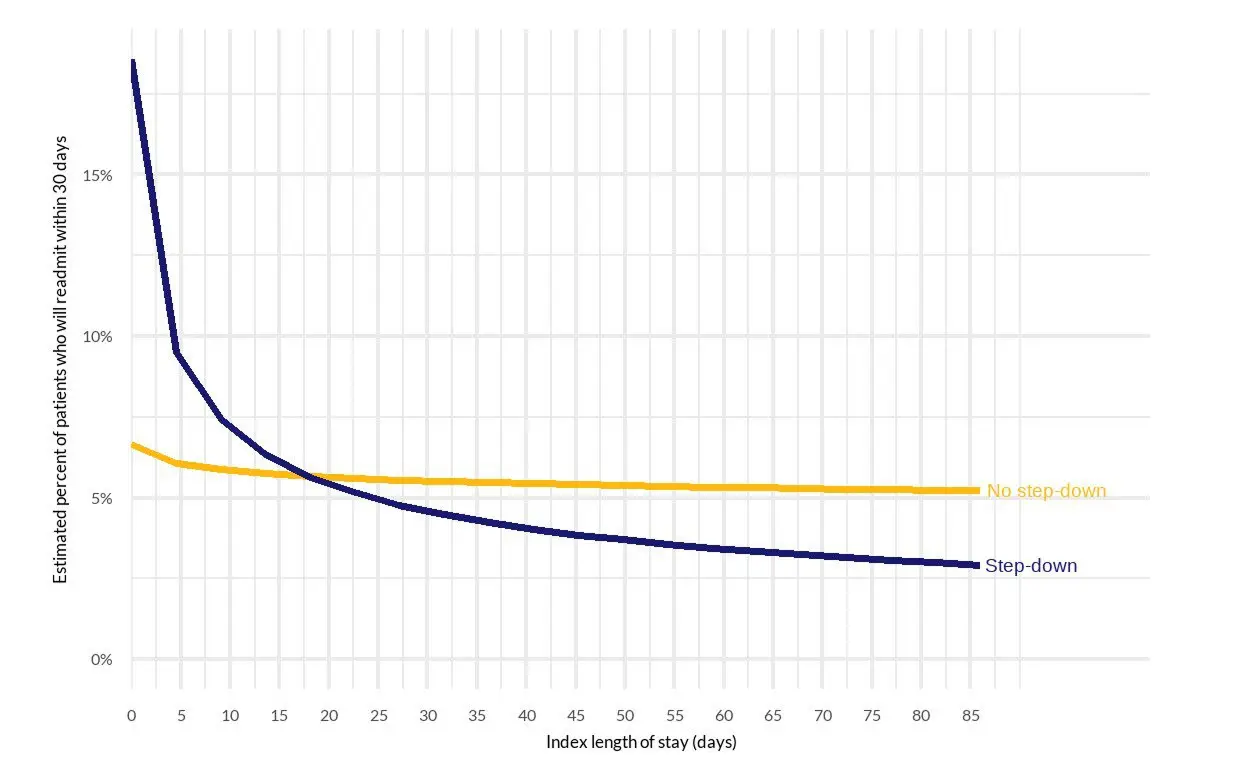
What drives 30-day readmissions in psychiatric inpatient stays?
Using data from more than 1.4 million psychiatric hospitalizations, we analyzed the key drivers of 30‑day readmissions, finding that prior hospital use, length of stay, and step‑down care meaningfully shape the likelihood of a return visit.
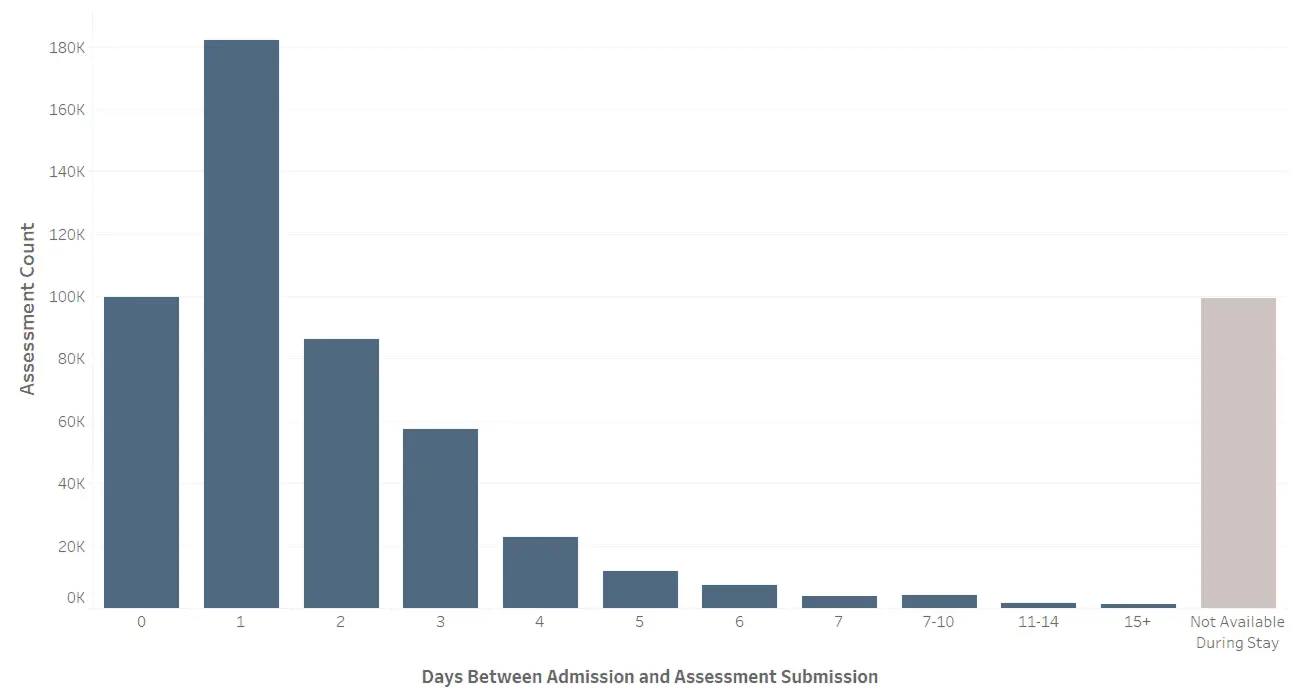
The Importance of Timing in Admission Assessments
Delays in admission assessment submission matter—analysis shows submission delays predict lower odds of patient improvement and potentially signals facility operational gaps.
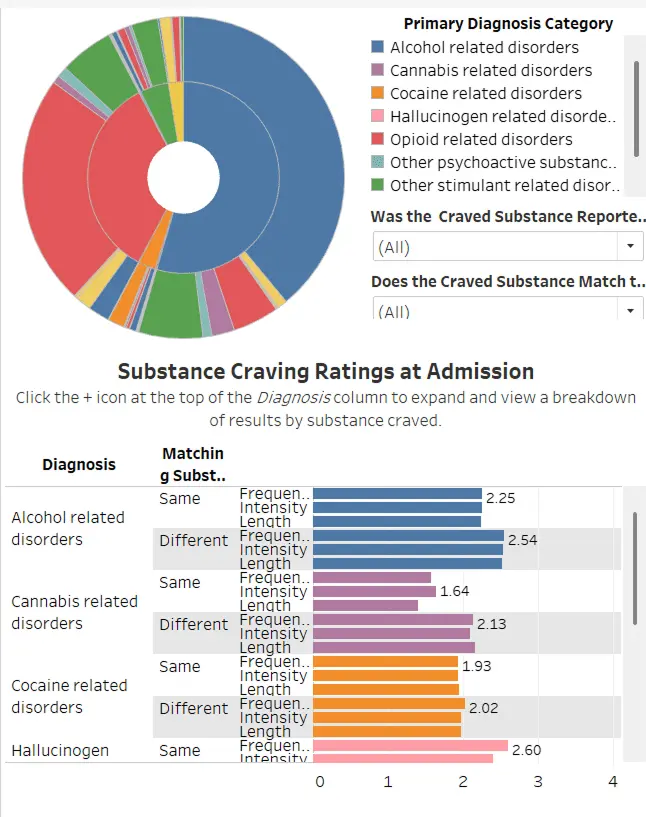
Patterns of Polysubstance Cravings in Treatment of Substance Use Disorder
Polysubstance craving is common and clinically meaningful—our data show why addressing more than one substance from day one matters.