

Analytics in Action
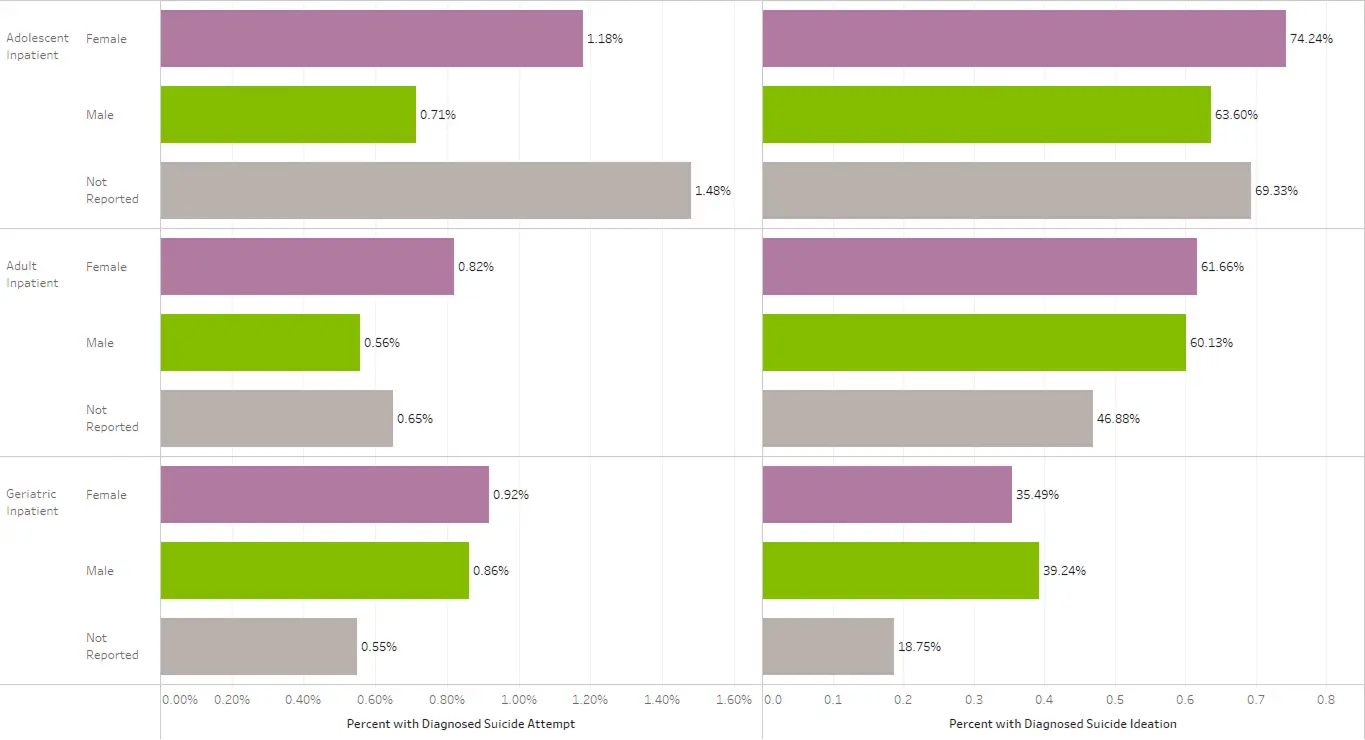
Gender and Suicide Risk in Behavioral Health Inpatients: Who Is Most at Risk?
Gender matters in suicide risk: Our five-year analysis reveals differences by sex and gender identity, with adolescent females and gender-diverse patients facing the highest rates.
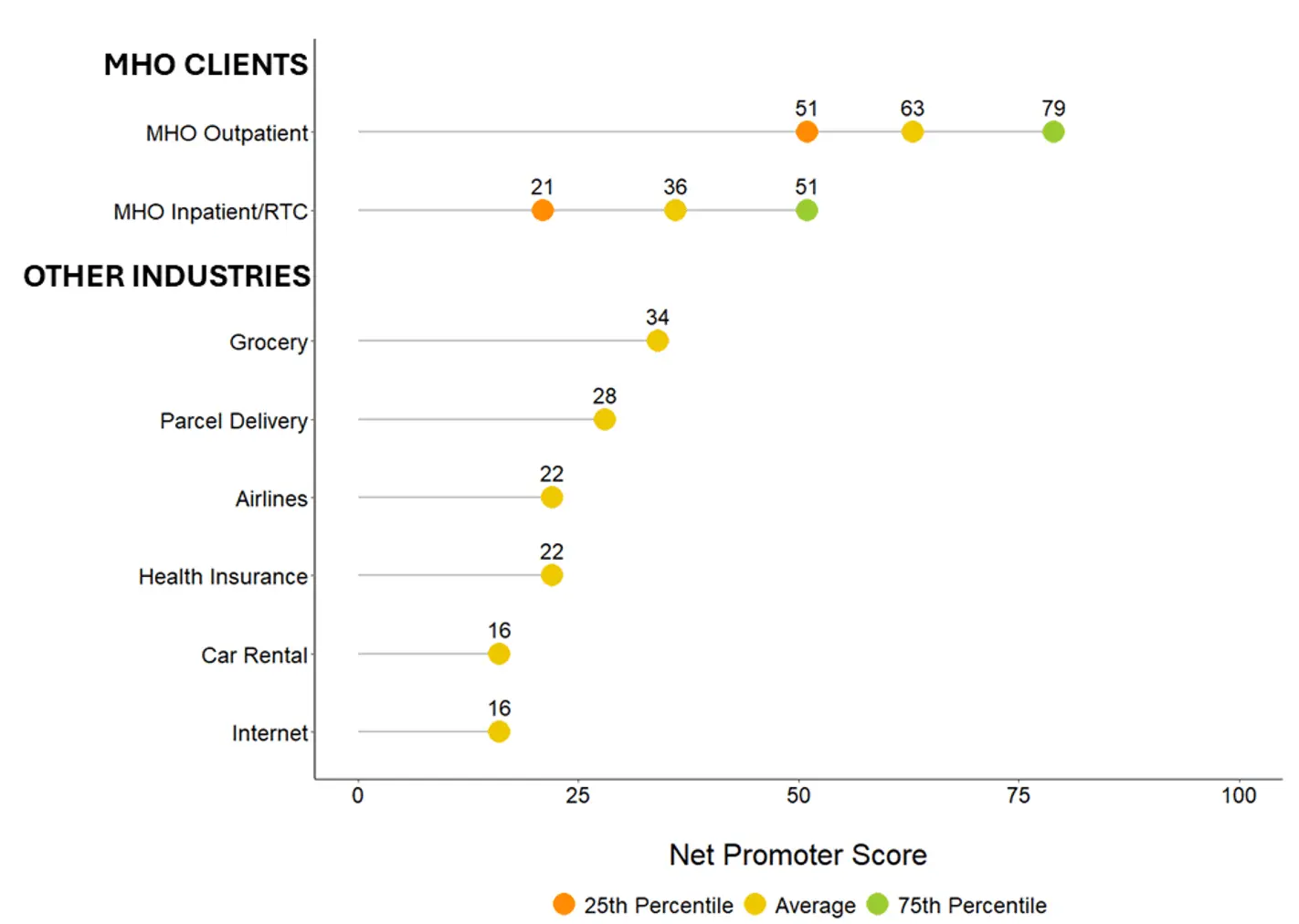
Understanding Net Promoter Score (NPS) in Psychiatric Care
Discover the value of one simple question gauging your patients’ experience – and key drivers that could boost your Net Promoter Score.
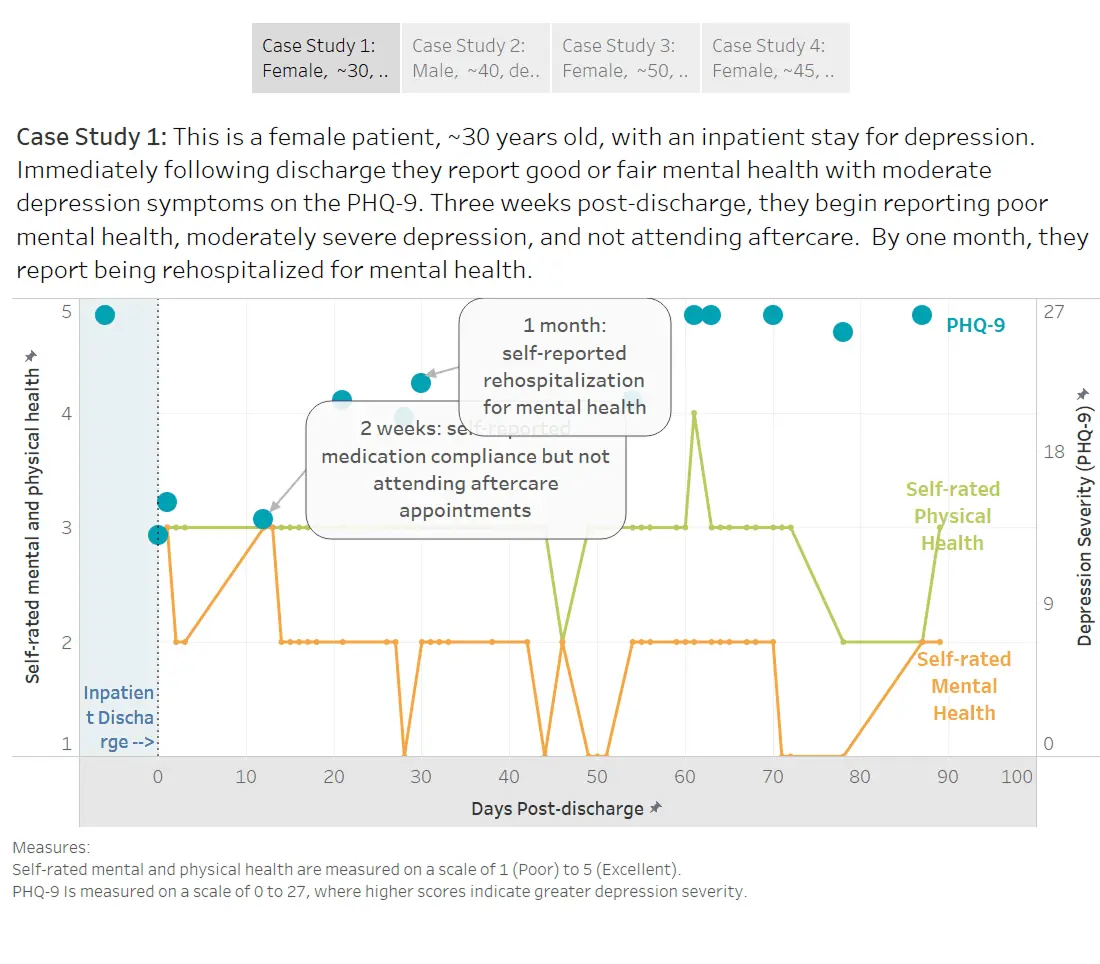
Supporting Recovery Beyond Discharge: Insights from MHO’s Reflections Behavioral Health Companion App
Discover how MHO’s Reflections app empowers post-discharge recovery through real-time patient insights, helping providers to use post-discharge data to improve and personalize behavioral health care.
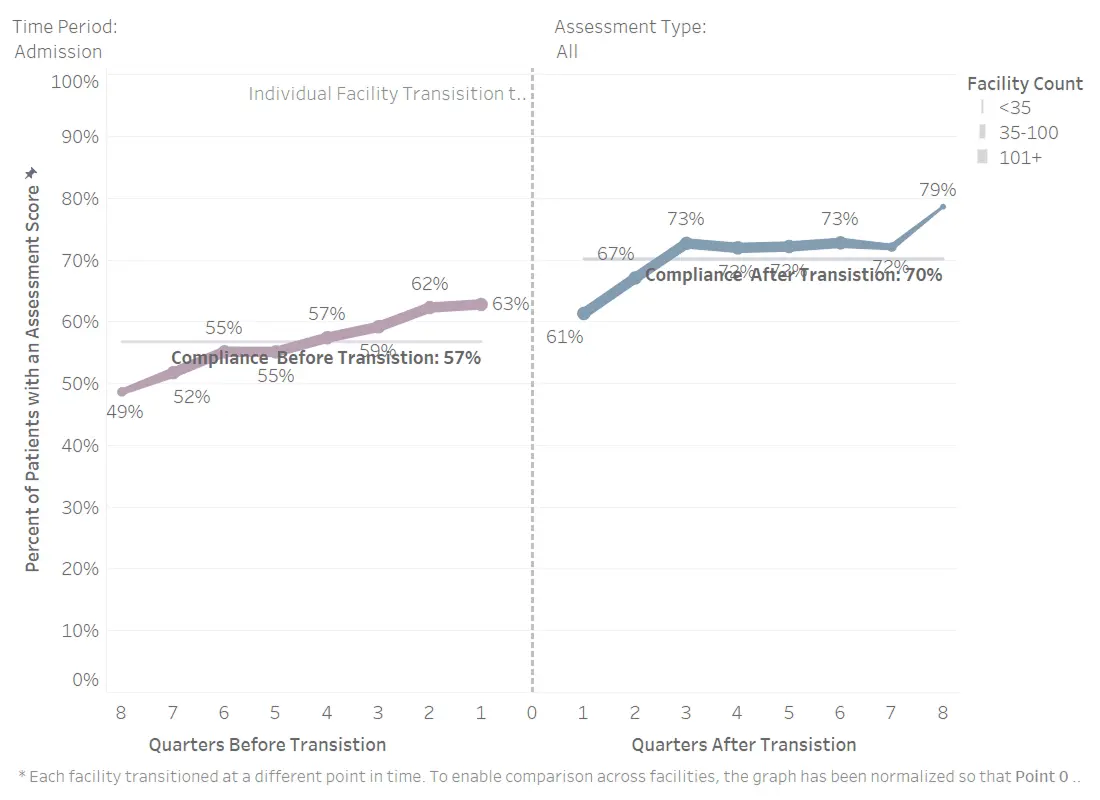
Reflections Has Boosted Data Collection in Behavioral Health Facilities
Reflection, MHO’s centralized platform has helped improve assessment completion rates, minimize invalid assessments, and provide easier access to real-time insights.
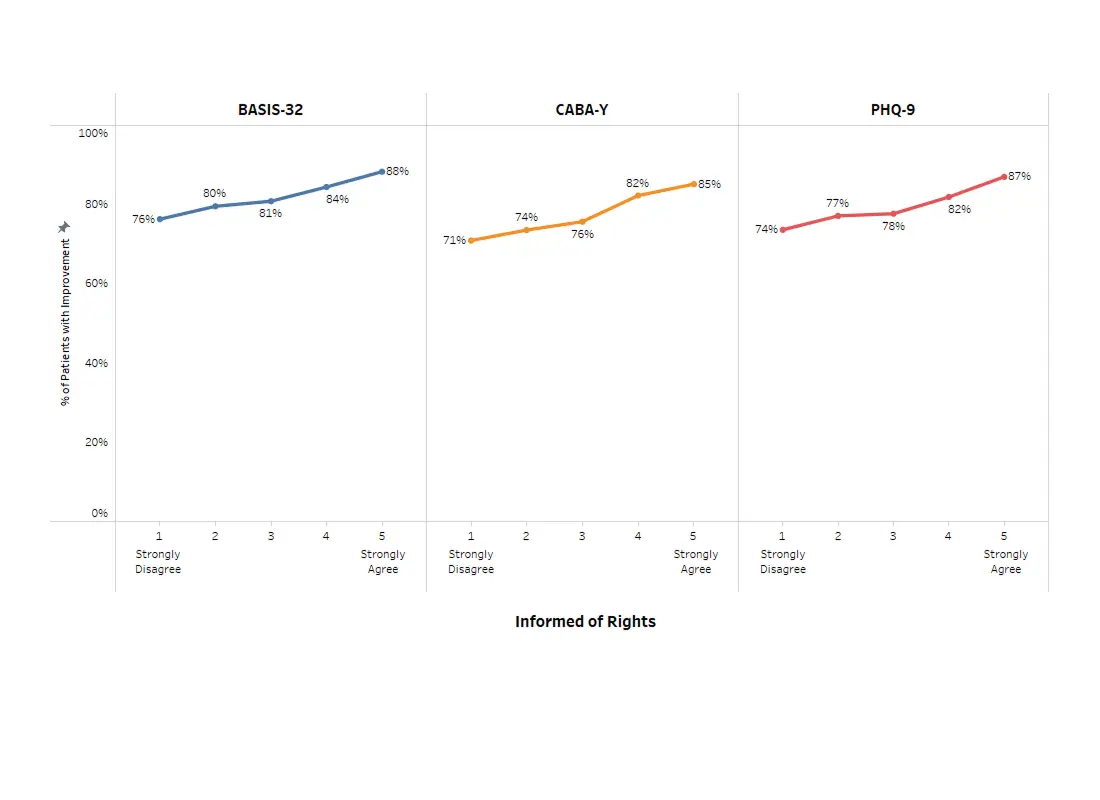
Do patients who know their rights have better outcomes?
While patients feeling informed is positively associated with clinical improvement, it’s the broader satisfaction experience that truly matters.
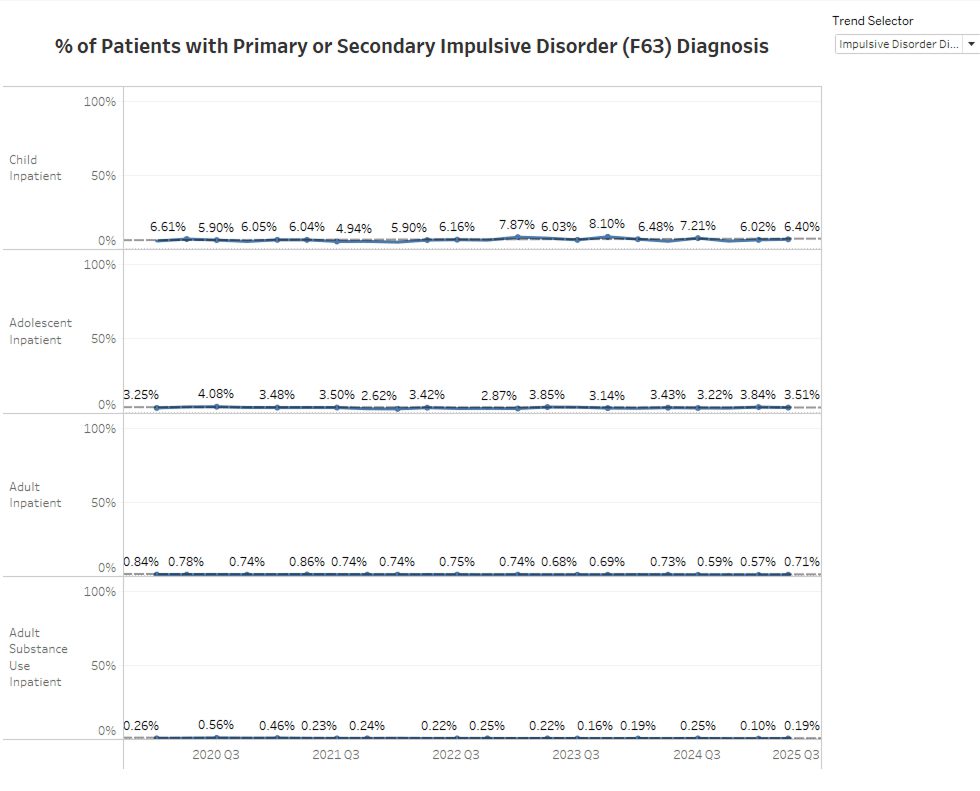
Is patient impulsivity on the rise? Anecdotal reports suggest yes, but what do data say?
A review of impulsive disorder and ADHD diagnostic patterns and patient-self reported impulsivity severity highlight the importance of data-driven monitoring of behavioral trends.
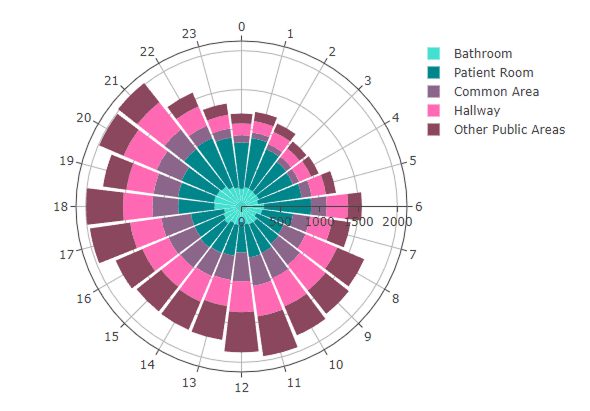
Understanding patient falls in psychiatric hospitals
This month, MHO tackles the who, when, and where of psychiatric inpatient falls – and why understanding these patterns is key to prevention.
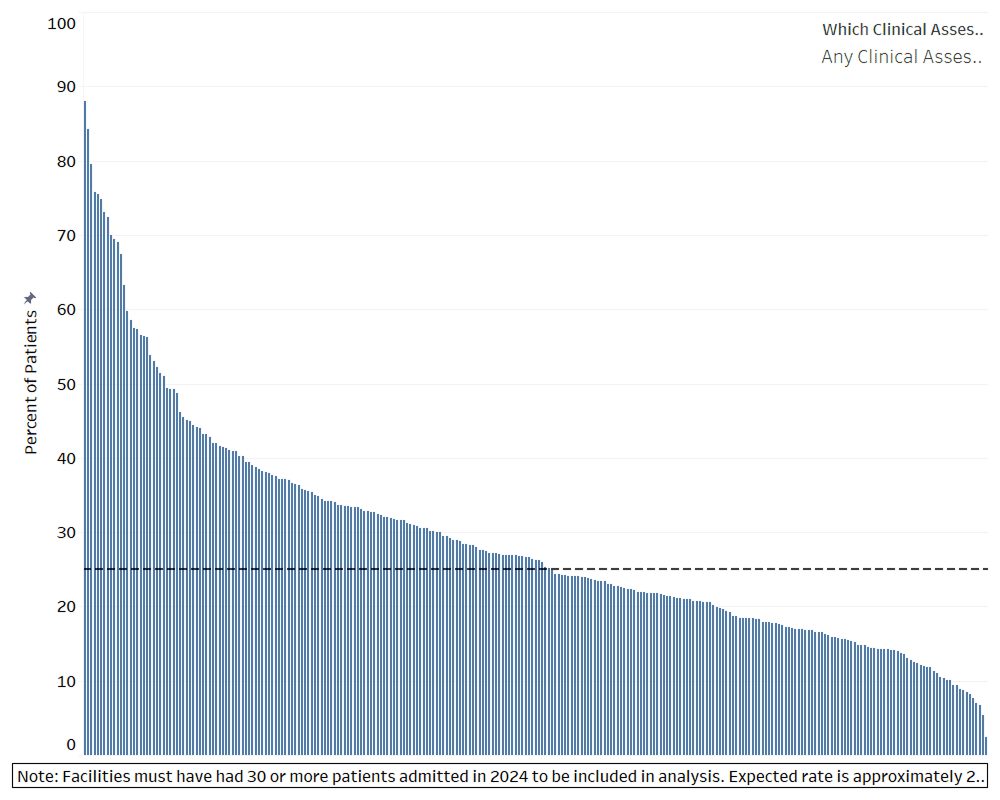
Are your patients more severe than other patients?
This month, MHO estimates 3% to 21% of facilities have outcomes data showing they serve a more severe patient population. Are you one of them?
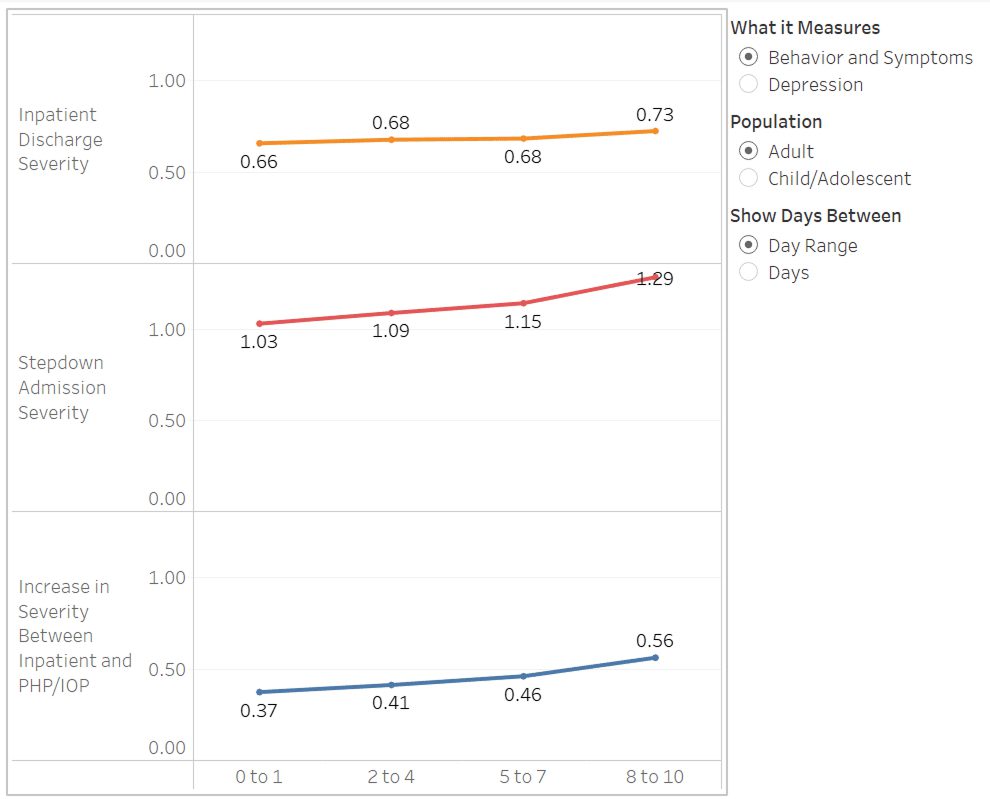
Tracking the Step-Down Journey: Self-Reported Symptom Severity
Step-down care helps sustain inpatient gains, but MHO data show transitions aren’t always linear, with longer transition gaps linked to a larger temporary increase in symptom severity.