What drives 30-day readmissions in psychiatric inpatient stays?
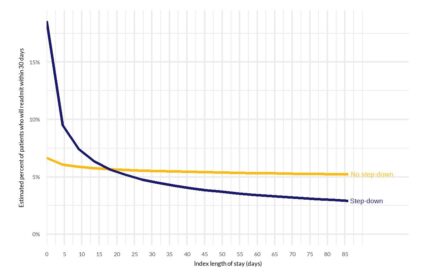
in Special Analysis onRead moreUsing data from more than 1.4 million psychiatric hospitalizations, we analyzed the key drivers of 30‑day readmissions, finding that prior hospital use, length of stay, and step‑down care meaningfully shape the likelihood of a return visit.
4
The Importance of Timing in Admission Assessments
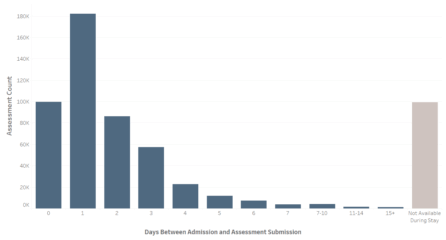
in Special Analysis onRead moreDelays in admission assessment submission matter—analysis shows submission delays predict lower odds of patient improvement and potentially signals facility operational gaps.

Patterns of Polysubstance Cravings in Treatment of Substance Use Disorder
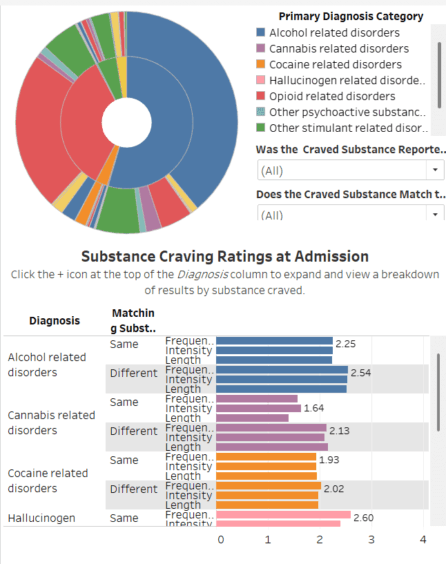
in Special Analysis onRead morePolysubstance craving is common and clinically meaningful—our data show why addressing more than one substance from day one matters.

Gender and Suicide Risk in Behavioral Health Inpatients: Who Is Most at Risk?
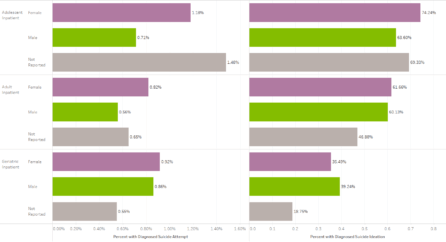
in Special Analysis onRead moreGender matters in suicide risk: Our five-year analysis reveals differences by sex and gender identity, with adolescent females and gender-diverse patients facing the highest rates.

Understanding Net Promoter Score (NPS) in Psychiatric Care
in Special Analysis onRead moreDiscover the value of one simple question gauging your patients’ experience – and key drivers that could boost your Net Promoter Score.

Supporting Recovery Beyond Discharge: Insights from MHO’s Reflections Behavioral Health Companion App
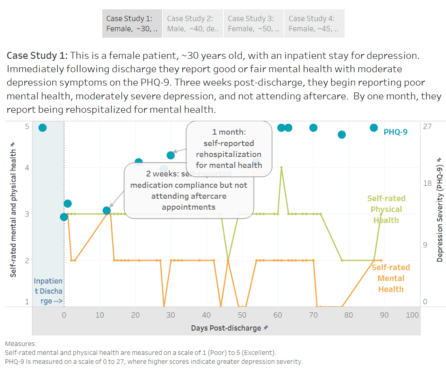
in Special Analysis onRead moreDiscover how MHO’s Reflections app empowers post-discharge recovery through real-time patient insights, helping providers to use post-discharge data to improve and personalize behavioral health care.

Reflections Has Boosted Data Collection in Behavioral Health Facilities
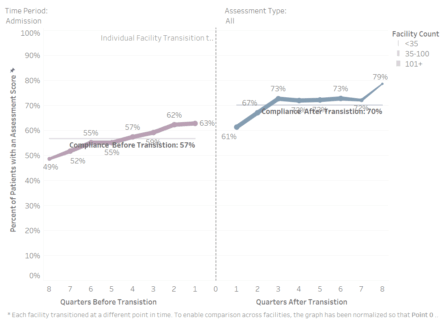
in Special Analysis onRead moreReflection, MHO’s centralized platform has helped improve assessment completion rates, minimize invalid assessments, and provide easier access to real-time insights.
Do patients who know their rights have better outcomes?
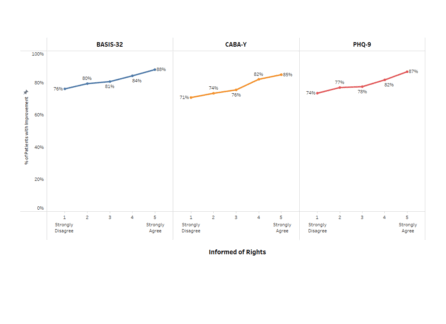
in Special Analysis onRead moreWhile patients feeling informed is positively associated with clinical improvement, it’s the broader satisfaction experience that truly matters.

Is patient impulsivity on the rise? Anecdotal reports suggest yes, but what do data say?
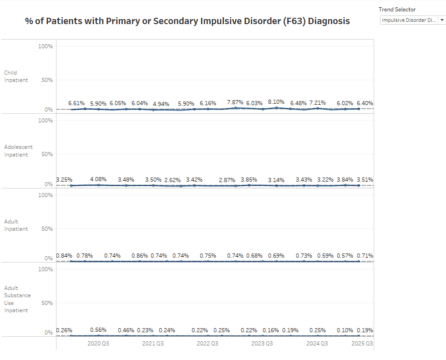
in Special Analysis onRead moreA review of impulsive disorder and ADHD diagnostic patterns and patient-self reported impulsivity severity highlight the importance of data-driven monitoring of behavioral trends.

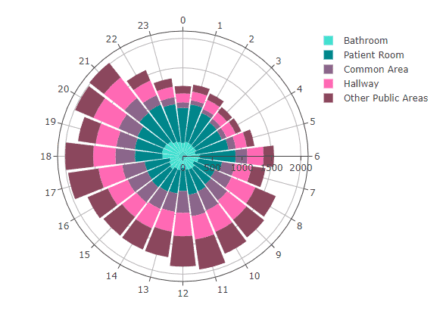
Understanding patient falls in psychiatric hospitals
in Special Analysis onRead moreThis month, MHO tackles the who, when, and where of psychiatric inpatient falls – and why understanding these patterns is key to prevention.

Are your patients more severe than other patients?
in Special Analysis onRead moreThis month, MHO estimates 3% to 21% of facilities have outcomes data showing they serve a more severe patient population. Are you one of them?
Tracking the Step-Down Journey: Self-Reported Symptom Severity
in Special Analysis onRead moreStep-down care helps sustain inpatient gains, but MHO data show transitions aren’t always linear, with longer transition gaps linked to a larger temporary increase in symptom severity.

Provider Gender and Patient Outcomes: Exploring the Relationship
in Special Analysis onRead moreWhile patients may have personal preferences for their healthcare providers, MHO’s data show provider gender has no meaningful impact on key behavioral health outcomes.

Different Eyes, Different Perspectives: Variations in Children’s Symptom Severity by Informant
in Special Analysis onRead moreAcross the types of non-patient informants that can complete the CABA-I assessment, in general facility staff rate symptom severity lower than parents or guardians at both admission and discharge. These differences underscore the importance of context when interpreting results.

Involuntary Inpatients are Satisfied Inpatients
in Special Analysis onRead moreWhile beliefs about involuntary patients negatively impacting patient satisfaction might be rooted in logic, data tell a different story and reveal informing patients of their rights is key for all.

Medications and Outcomes Data: A Powerful Combination
in Special Analysis onRead moreWhen combined, medications and outcomes data provide powerful information to inform clinical decision making.
The Full Moon Effect in Mental Health: Myth or Reality?
in Special Analysis onRead moreAncient lore suggests there’s just something different about behavioral health patients on a full moon night . MHO dares once more to put the lore to the test using new metrics, and once again finds no evidence to support this spooky tale.

Emerging Adults: Bridging the gap between Adolescence and Adulthood
in Special Analysis onRead moreThe youngest adults (ages 18-25) seeking inpatient care face distinctly different mental health challenges than that of adolescents or adults, and similar to adolescents they are less satisfied than adults with the care they receive. This narrow 8 year window of adulthood represents 1 in 5 adult inpatient admissions, however,…

Good Today, Good Tomorrow? – How Psychiatrist Performance on Patient Self-Reported Outcomes Evolves
in Special Analysis onRead moreOn average, MHO’s data show individual psychiatrists are consistent in the improvement their patients achieve on patient reported outcomes. However, data also show individual psychiatrists can improve their patient outcomes.
Too big to fail or too big for success? The relationship between facility size and inpatient satisfaction
in Special Analysis onRead moreDoes bigger mean better, or do smaller facilities have happier patients? This month, an exploration into facility size and its relationship with patient satisfaction.

Do High (vs. Low) Rated Psychiatrists Have Better Patient Outcomes?
in Special Analysis onRead moreThis month we explored whether psychiatrists who are overall rated higher by their patients have better patient self-reported outcomes.

Investigating Racial Disparities in Length of Stay and Discharge Severity
in Special Analysis onRead moreMHO explores disparities in “wellness” at discharge as measured by discharge severity, and how long it takes to achieve it.

What Insights Can We Gain from Patients’ Comments?
in Special Analysis onRead moreThis month, we’re diving into patient comments using sentiment analysis. Let’s pay close attention to what our patients are telling us.

Female Patients in Mental Health: Symptoms Patterns and Severity
in Special Analysis onRead moreExploring the gender divide in mental health symptom severity from admission to discharge.